Digitize daily site rounds
Replace whiteboards, paper logs, and isolated messages with a consistent tank record for each active location.
Water, process liquids, sanitation supply, temporary storage, and other site resources can become job dependencies. LumeLevel gives crews and supervisors earlier visibility so replenishment can be planned before work, equipment, or people are forced to wait.
A site supervisor should not discover a low supply after the crew and equipment are already mobilized. A current tank or supply level gives the team one more readiness check before the shift begins and before the day depends on that resource.
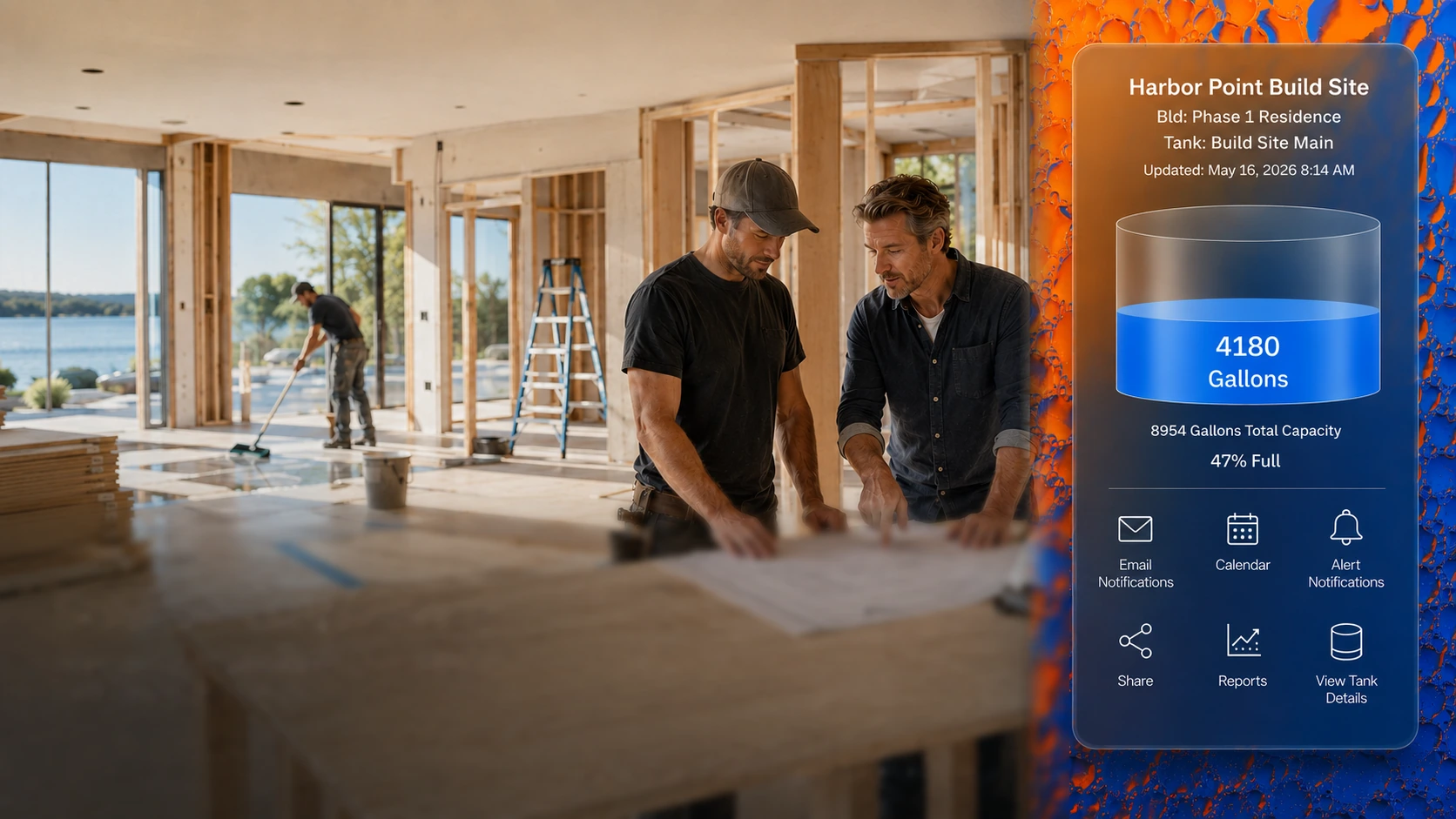
Demand can change as crews, equipment, weather, processes, or work phases change. Watching the level and its trend helps reveal faster-than-expected use while there is still time to replenish without stopping the job.
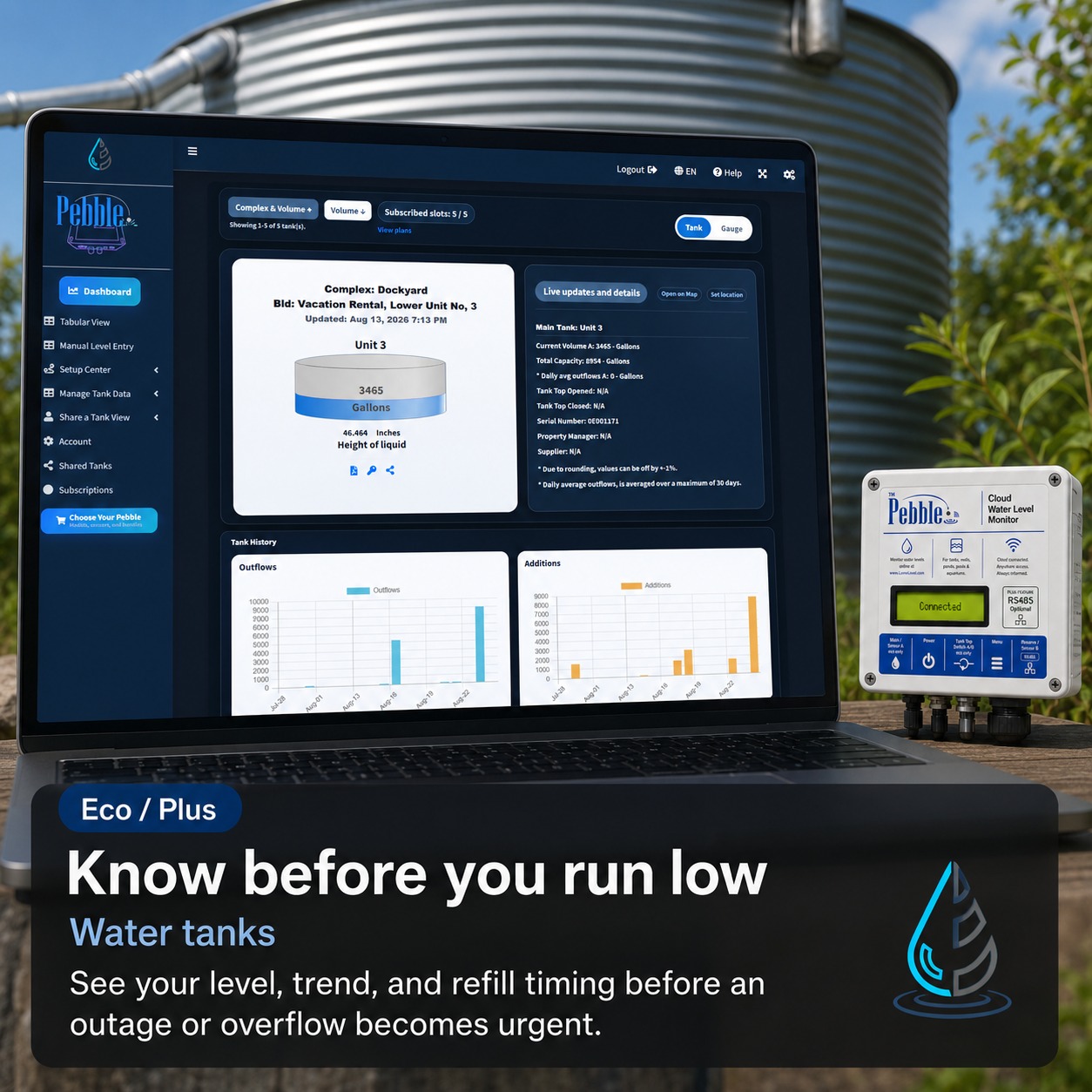
Low supply can affect more than convenience. Pumps, washdown, sanitation, irrigation, dust control, process equipment, and temporary site systems may all depend on having enough material available when the work calls for it.
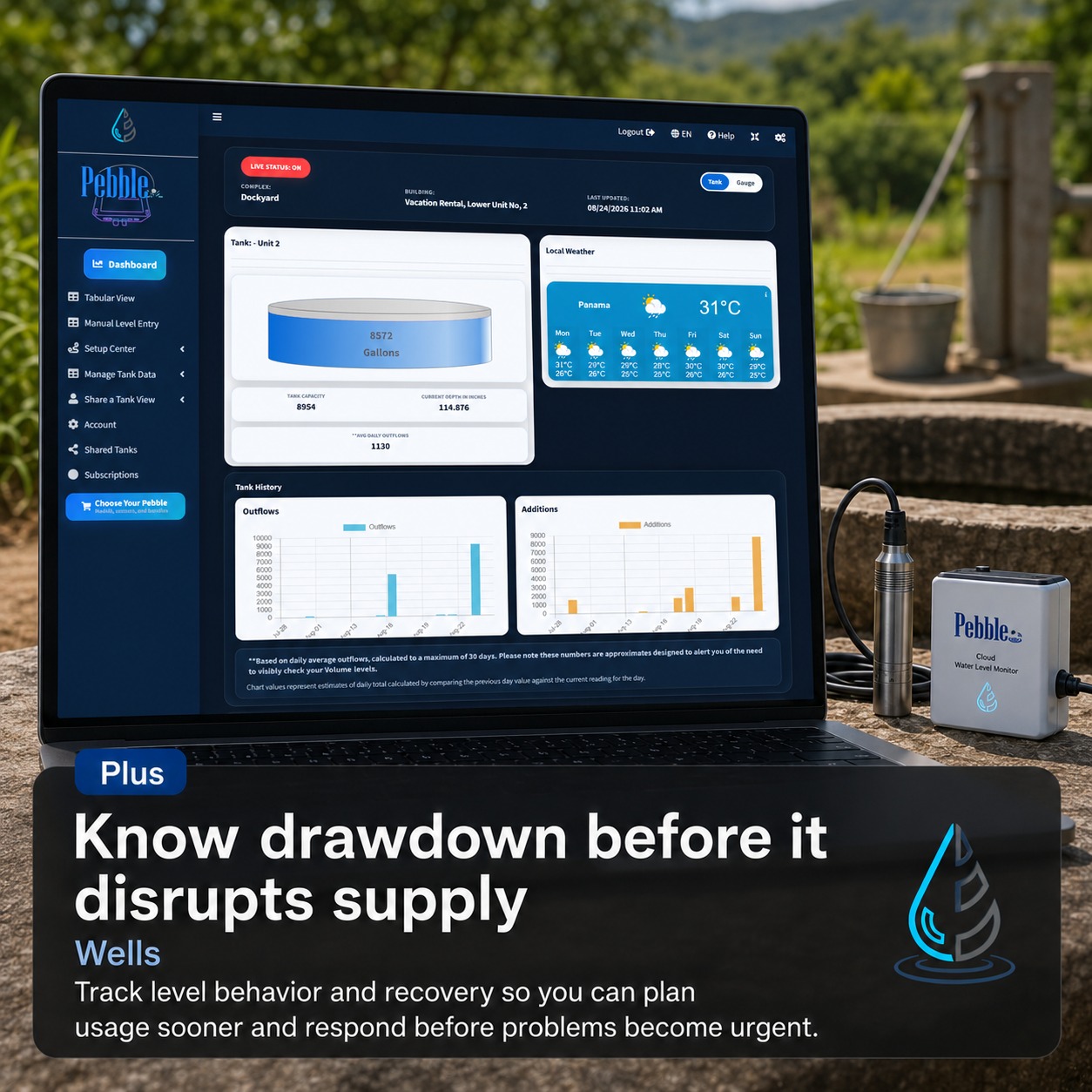
When replenishment is needed, the site supervisor, crew, supplier, equipment owner, or service team can work from the same information. That makes it easier to plan delivery before the site is waiting on an urgent refill.
Supply conditions can change while the schedule keeps moving. The value is seeing that change early enough to make it part of the plan instead of part of the delay.
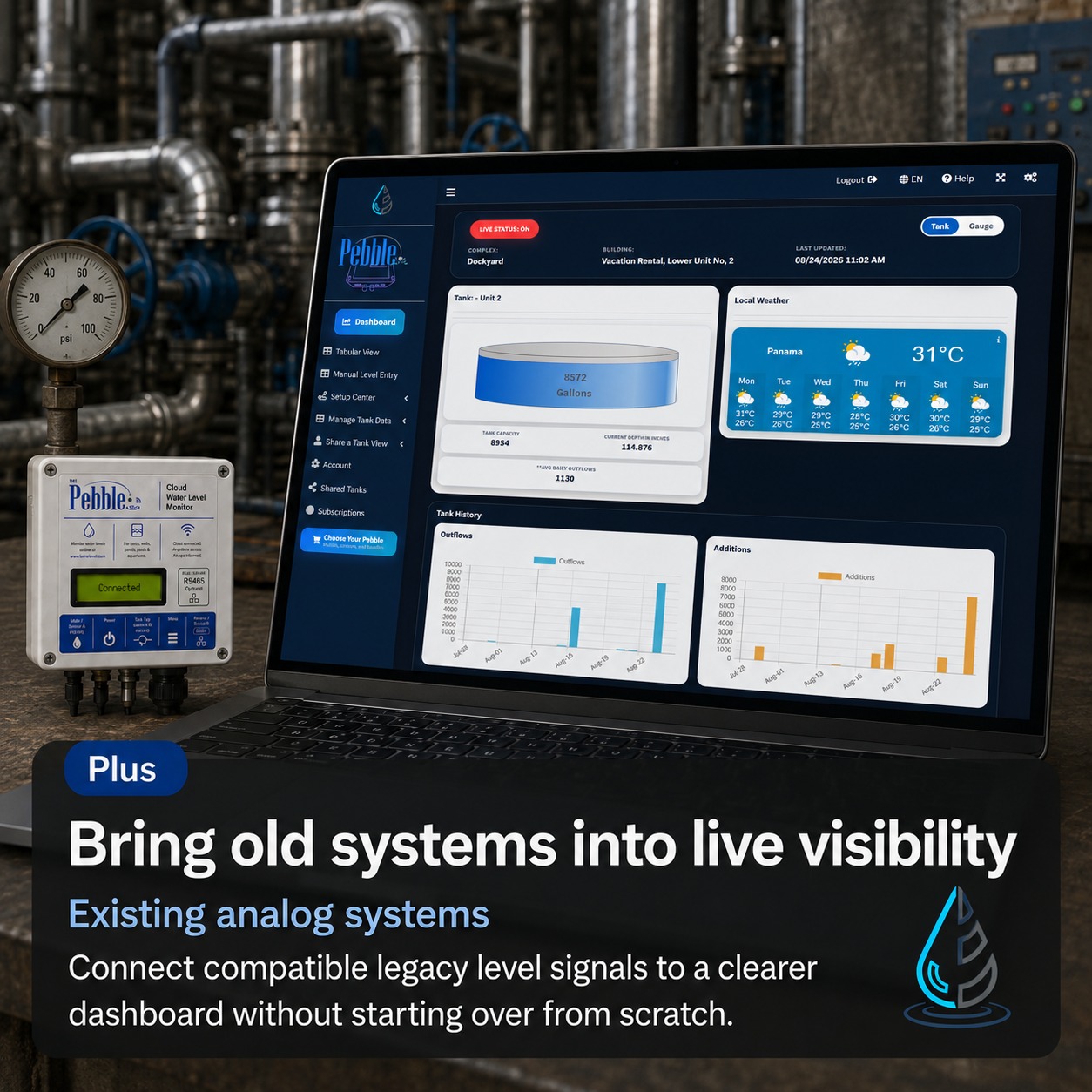
Existing site infrastructure becomes part of the same visible supply picture.
Tanks, temporary storage, pumps, and existing level systems can sit behind critical site activity. LumeLevel brings that supply into a shared operating view so the team can plan around what is actually available.
Crew members, site supervisors, suppliers, equipment owners, and service teams can each use the same supply picture when action is needed. The goal is simple: keep replenishment and response ahead of the work instead of behind it.
Avoids lost work time caused by preventable supply interruptions.
Gets better visibility before the work sequence is affected.
Can coordinate refills around site needs instead of emergency pressure.
Can reduce avoidable stress on pumps and site systems.
Site staff can continue measuring temporary water and fluid tanks manually while supervisors gain a dated view of supply status across projects, yards, and field operations.
Replace whiteboards, paper logs, and isolated messages with a consistent tank record for each active location.
Share current status with supervisors or suppliers so deliveries can be planned around the work sequence.
Unexpected level changes can prompt a check for leaks, unauthorized use, pump issues, or incorrect readings.
Use the manual history to identify tanks that can stop crews, affect sanitation, or damage equipment if they run low.
Field staff record the tank during normal site rounds.
Supervisors and suppliers see the same current status.
Pebble is deployed first to supply points where interruption carries the highest cost.
A manual record creates immediate coordination value and shows which sites justify automatic readings first.
For job sites, the value comes from avoided downtime, fewer emergency logistics events, and reduced equipment risk.
Start with the tanks that can delay work, damage equipment, or create emergency supply calls.